

Our Research
Research Areas
-
The MAST Center specializes in developing innovative membranes with unique micro- or nanoscale structures and distinct transport properties for advanced separation processes. By employing advanced surface modification techniques, the center enhances membrane surface properties to achieve fine separations and minimize fouling, a critical factor for commercial viability. Additionally, MAST investigates the fundamentals of membrane transport and fouling through complementary modeling and simulations, utilizing diverse equipment from four partner universities for precise characterization. Key focus areas include the characterization of asymmetric membranes, membrane modeling, and applications in green technologies and food and beverage industries.
-
Membrane-based unit operations are appealing for purifying human therapeutics due to their mild processing conditions and ease of scaling. The MAST Center has extensive expertise in advanced ultrafiltration processes, validating the removal of contaminants like host cell proteins, DNA, and FDA-recommended model virus particles. It also explores membrane separation processes for purifying virus vectors, vaccines, and gene therapies. Additional biopharma applications include microfiltration for perfusion bioreactors, sterilizing buffers and products, ultrafiltration for concentration and buffer exchange, and techniques for optimizing cell harvesting and virus removal while minimizing filter fouling.
-
Water is a valuable resource, making its recovery, recycling, and reuse essential to meet growing societal demands. The MAST Center is exploring emerging membrane technologies for treating produced water from oil and gas operations and wastewaters from food and agriculture. Researchers are developing innovative membranes and processes for direct potable reuse as well as focusing on nutrient recovery from wastewaters. Their work includes monitoring membrane integrity during filtration, creating membranes that remove novel contaminants, developing self-cleaning and anti-fouling materials, modeling scale formation dynamics, and pursuing zero-liquid discharge (ZLD) solutions.
-
Membranes are increasingly being used in non-aqueous phase separations, such as recovering organic solvents, fractionating organic chemicals, and removing contaminants from organic phases. The MAST Center is developing new organic solvent-resistant membranes to support these applications, as well as exploring barrier membranes for protection against chemical warfare agents. Additionally, the center has expertise in membranes for gas phase separations, and is investigating areas such as chemistry within membranes, chemical separation and adsorption, and process optimization to advance these technologies.
-
The Green Technologies focus area emphasizes sustainable practices in membrane manufacturing and applications. This includes using eco-friendly raw materials such as green solvents and biodegradable or UV-degradable polymers for membranes and filtration devices. The aim is to reduce the carbon footprint associated with traditional polymers used in the industry. Additionally, the focus extends to employing other green methods in membrane manufacturing. In terms of applications, the focus area explores environmentally friendly uses of membranes, such as carbon capture and the removal of harmful substances like per- and polyfluoroalkyl substances (PFAS).
-
The Food and Beverage focus area centers on membrane technologies such as reverse osmosis, nanofiltration, microfiltration, and ultrafiltration. It encompasses various applications within the industry, including liquids such as juice, beer, wine, and syrups, as well as water used in beverage production. The focus extends to dairy applications such as milk and cheese filtration, lactose and whey separations, and proposes exploring bioactive compound separation from dairy streams. Additionally, it addresses wastewater processing in food and beverage production, highlighting overlaps with water treatment applications.
Research Projects
This year, our Center researchers are working on 18 projects: 7 in membrane fundamentals, 5 in biopharmaceutical processing, 2 each in chemical separations and water purification, and 1 each in food & beverage and green industry. Projects can change annually based on recommendations from our Industry Advisory Board (IAB).
The MAST Center Industry Advisory Board (IAB) selects projects to fund each year. Our Center has run nearly 100 research projects since our inception. Some of these past projects include:
Green Chemistry with Coupled Electrolysis and Electrodialysis: Enhancing Selectivity and Conversion
Hollow Fiber Membranes for Organic Solvent Nanofiltration (OSNF) and Organic Solvent Reverse Osmosis (OSRO)
Nanoparticle Tracking in Virus Filtration Membranes – Implications for Virus Retention Behavior
Investigations of Nanofiltration/RO Applications to Remove PFASs: Baseline Performance of Commerical RO Membranes and Novel Chemically Modified Membranes
Membrane-Assisted Continuous Manufacturing of Liposomes and Lipid Nanoparticles
Understanding Fouling Behavior during Perfusion Operation of Cell Culture Harvesting
Membrane Separation of Nitrogen and Phosphorous Nutrients with Downstream recovery as Struvite Fertilizer
Single Pass Tangential Flow Filtration: Hydrodynamics and Flux
Elucidating the 3D Microstructure of Virus Filtration/Ultrafiltration Membranes using Electron Tomography
Combined Electrocoagulation and Reverse Osmosis for Brackish Groundwater Treatment
Novel Fouling Resistant Polymeric Membranes Fabricated Using Atomic and Molecular Layer Deposition
Understanding Virus Prefilters
Modeling Tools for Membrane Process
Membrane Filtration for Wastewater Treatment
Coupled UV-Membrane and Oxidant-Membrane Process for Decreased Biofouling and Enhanced Flux in Water Reclamation Applications
Understanding the Performance of Bio Optimal Hollow Fiber Filtration
New Real-Time Methodology for Detection of Fouling in Gas Separation Membranes
Projects by Year
Projects by Site
Projects by Research Area
Research Faculty
-
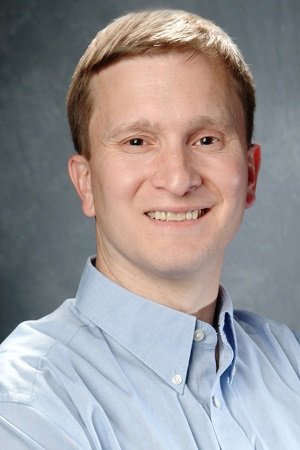
Bob Beitle Jr.
Senior Associate Vice Chancellor for Research and Innovation, University of Arkansas
479-575-7566
-

Min Zou
-

Christa Hestekin
-

Wan Shou
-

Jamie Hestekin
-

John Pellegrino
-

Alan Greenberg
-

Karl Linden
-

Steven George
-

Dan Schwartz
-

Franck Vernerey
-

Xiaoyun Ding
-

Anthony Straub
-

Victor Bright
-

Zafar Iqbal
-

Sagnik Basuray
-

Wen Zhang
-

Xiaoyang Xu
-
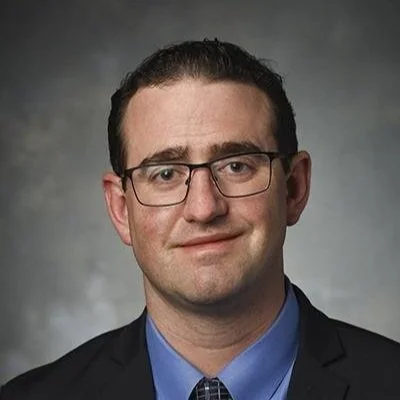
Christopher Arges
-

Enrique Gomez
-

Bryan Vogt
-

-

Xueyi Zhang